


How the lab works.
A short look at how trainees and staff fit into the lab. Linked from Opportunities for prospective applicants who want to know what day-to-day lab membership looks like before they apply.


Mentorship structure
Direct mentorship comes from Dr. Cajigas, with weekly individual meetings for graduate students and bi-weekly for medical and undergraduate trainees. Larger lab meetings happen weekly and rotate between research-progress updates, journal club, and clinical case discussions. Trainees are encouraged to also work with collaborators in the Pesaran Lab (BCI / population dynamics) and the Halpern Lab (functional neurosurgery).
What trainees actually do
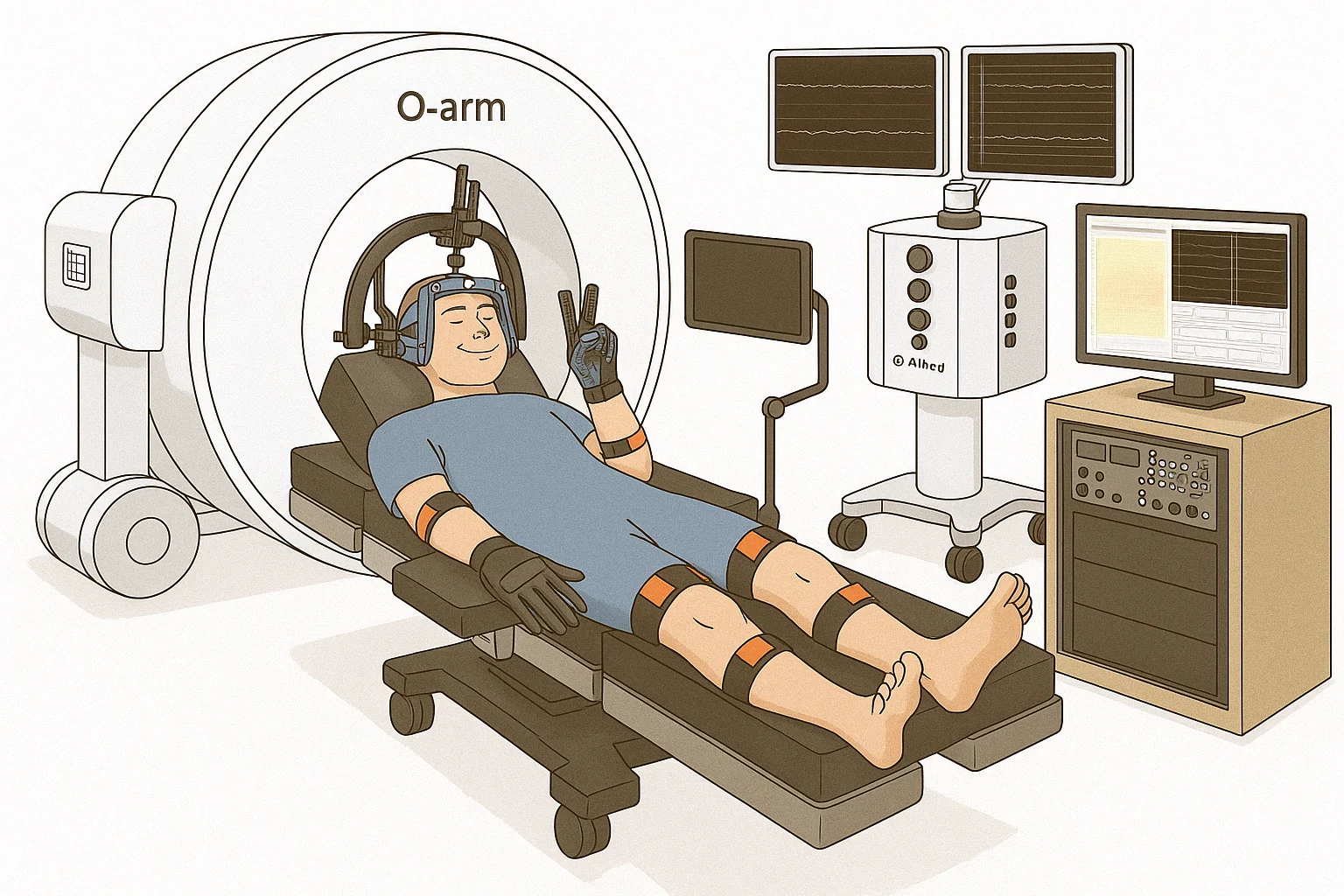
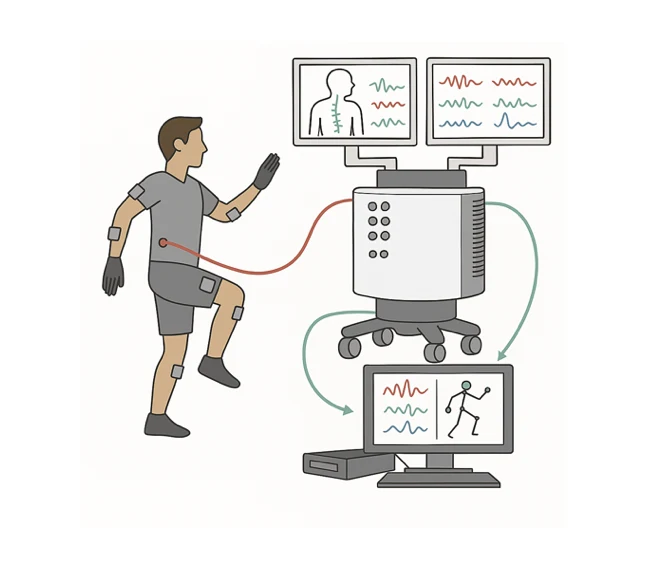
Most projects involve some combination of (1) intraoperative neural recordings during awake brain or spine surgery, (2) computational analysis using MATLAB or Python (often via the lab's nSTAT / nSTAT-python toolboxes), and (3) translation to BCI or neuromodulation device design. Specific projects are matched to trainee interests during the first few weeks. Independent ownership is expected — projects evolve into first-author publications and conference presentations.
Hours, expectations, environment
The lab is at Richards Medical Research Laboratories at Penn, with the surgical research happening across Pennsylvania Hospital, the Hospital of the University of Pennsylvania, and the Penn Spine Center. Trainees are expected at weekly lab meetings and in the OR for at least some of their study's recordings. Beyond that, schedules are flexible and self-directed.
Open positions are listed on the Opportunities page. For informal inquiries before applying, email Dr. Cajigas directly.